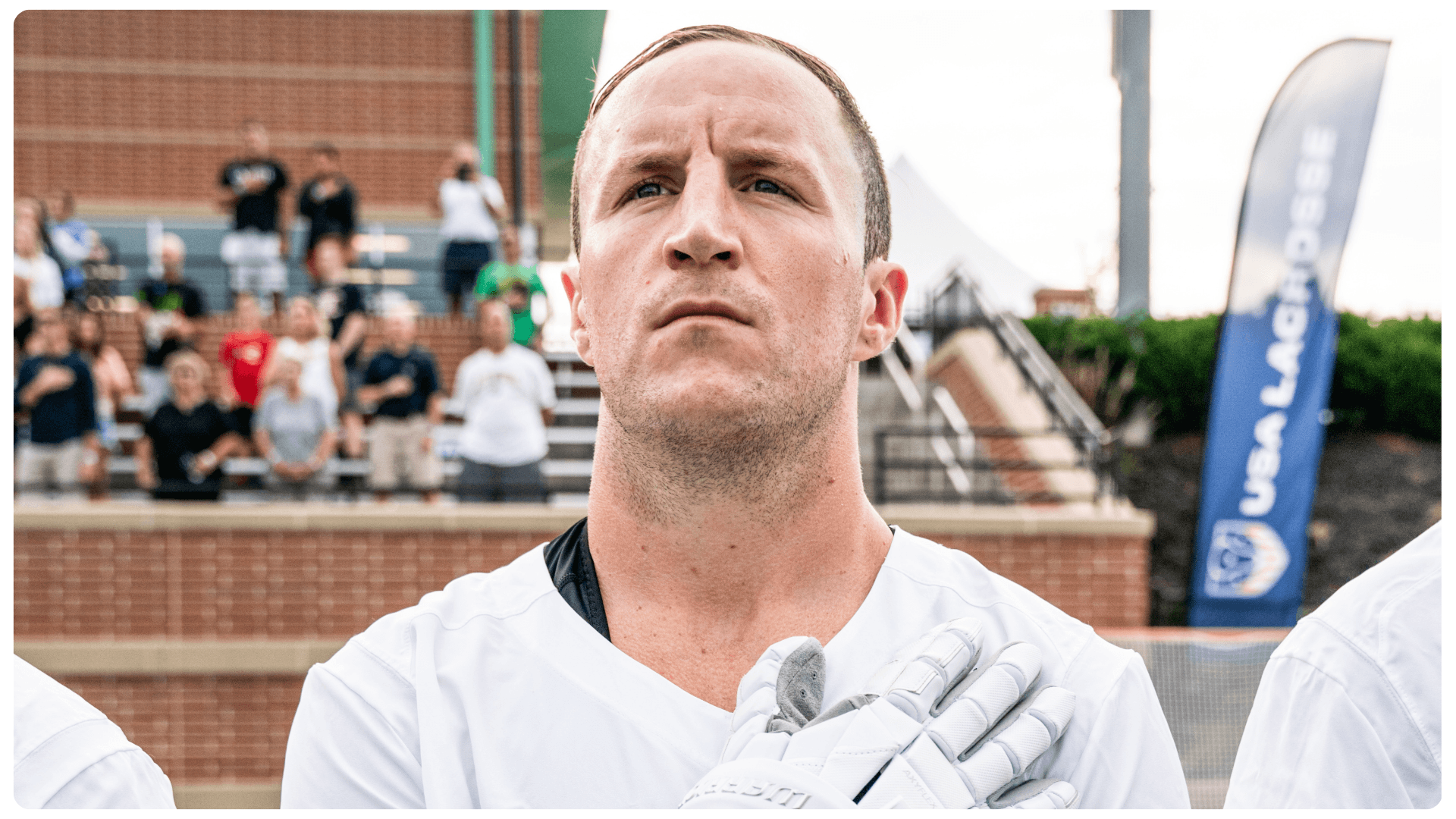
“The wound is the place where the light enters you.” - Rumi
Studying sport psychology, similar to developmental- and forensic- as well as clinical- and personality- psychologies, requires looking into people’s pasts. Each shade of behavioral science involves human beings, organisms with beating hearts, ones who have their needs met or neglected. Every person experiences rejection and connection, love and loss, trauma and triumph.
Trauma means wound.
More specifically, our traumas are the stories we carry with us in the present from the wounds we experienced in the past. Oftentimes, wounds heal. Sometimes, wounds open back up and cause pain later on when similar situations arise, reminding up of historical hurt.
Old stories flare up — slightly different scenarios cause similar pains. For example, a boy whose parents forgot to pick him up after school is reminded of this abandonment when his partner forgets to check-in with him while he’s on the road. In another case, a girl verbally abused as a child is triggered by fans in the stands at her show when they scream out nasty names. Bessel van der Kolk, world-renowned psychiatrist and author of The Body Keeps the Score, claims our brains and bodies remember what happened long after our minds have strived to forget.
Since we learn through two avenues, repetitions and emotional experiences, deep understanding demands examination into what happened.
By questioning what happened, we can comprehend what’s currently happening and why. In lockstep with Socrates’ famous quote, “The unexamined life is not worth living,” examining our wounds and healing from our traumas are pathways to freedom → becoming fully alive through recognition of what lies dormant inside.
—
Weeks ago, legendary NHL hockey player Claude Lemieux died by suicide. I did not read about his death on the internet. I did not hear rumors from random strangers. I did not learn he passed away by seeing an article in the newspaper. I found out less than 48 hours after it happened from his best friend.
A guy I know well, who trains every day at the same gym I go to, entered the facility white as a ghost. He walked straight across the weight room and gave me a big hug. “Claude killed himself,” he said. “I was with him four days ago. Our families had dinner together, and then we talked for hours afterwards in his backyard. Mark, I was with him four days ago. He did not say anything that even hinted at him doing something like this.” I gave him another hug; this time, for a few seconds longer.
As he was described to me, Claude was an extremely introverted guy. Even though most of the hockey world knew him as a passionate competitor, fierce fighter, and relentless leader, he was apparently as kind and stoic as anyone when off the ice. He mentored many aspiring hockey players. He became an agent to many professional players after he retired. He was encouraging, straightforward, and protective [some young NHL professionals acknowledged].
Was it easier for him to look after others, including his wife and kids, then it was for him to look after himself?
Although a four-time Stanley Cup champion for the New Jersey Devils, Colorado Avalanche, and Montreal Canadiens, Claude was never inducted into the Hall of Fame. New York Post’s columnist Rejean Tremblay, who knew Claude for three decades, wrote posthumously, “He always lived this as an injustice, a heavy burden to bear.” I deeply wonder, was this perceived injustice something that reminded him of injustices from his past? As a boy, teenager, or young adult, were his needs not met? Perhaps even worse, was he abused or mistreated growing up? “The sense of rejection ran deeper than one might have imagined. He took it very hard,” Tremblay stated.
He took it very hard.
He took it very hard.
Why did Claude take it “very hard?”
There’s more to any story and many details will be released in the coming months. During the month of June, in honor of Men’s Mental Health Awareness Month, I recorded a podcast episode with Sylvain Guimond, former sport psychologist of the Montreal Canadiens. We talked about the importance of love, the darkness of depression, and the necessity for connection. Sylvain, who knew Claude and his family, opened my eyes as to why “winners are more likely to commit suicide than losers.” Once an individual reaches the top, similar to how Claude did through 21 NHL seasons and four Stanley Cup championships, it feels like “the end of the road,” Sylvain stated. Where do we go when we reach the top of a mountain? When we lose, when we are down, when we are low, every fiber of our beings wants to win, climb upward, aspire to the top. When we attain a perceived pinnacle, next steps become nebulous. That’s when we need a trusted advisor, an insightful confidant, or a listening friend to hear us out. Why? Because what’s pushed down and depressed must be spoken about openly or else we, as human beings, start to think we are better off not being here.
“Claude appeared in good spirits just days before his suicide, appearing at Montreal’s Bell Centre… carrying the torch before Game Three of the NHL conference finals,” Beatriz Colon of Yahoo Sports wrote. The torch was not the only thing Claude was carrying. The weight of his wounds within were masked by an outer appearance of “good spirits.” Did the admiration and applause from 21,000 fans remind him of the acknowledgment and appreciation he no longer receives when outside the arena?
Trauma tends to be triggered.
If Rumi is right and the wound is the place where the light enters us, how does the darkness exit us?
Traumatic thoughts will continue until they are talked through with those we trust; then, we can and will triumph once again!
 Mark Glicini
 Mark Glicini: Sep 17, 2026, 7:03:00 PM
.png)
.png)